

Artificial Intelligence in Hiring and Performance Evaluation: Discrimination Risks and Compliance Strategies in California
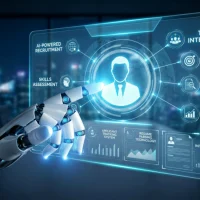
Artificial intelligence has rapidly moved from a futuristic concept to an everyday workplace tool. Employers increasingly use AI-powered systems to screen job applicants, rank resumes, evaluate employee performance, predict turnover, and even make recommendations regarding promotions or discipline. Proponents argue that these technologies improve efficiency, reduce costs, and remove human bias from employment decisions.
However, as the use of AI expands, so do concerns about discrimination and legal compliance. A growing body of research suggests that automated decision-making tools can unintentionally replicate or amplify existing workplace biases, potentially creating significant legal exposure under California’s Fair Employment and Housing Act (FEHA), Title VII of the Civil Rights Act of 1964, the Americans with Disabilities Act (ADA), and other employment laws.
For California employers and employees alike, the key takeaway is simple: using artificial intelligence does not eliminate responsibility for employment decisions. If an AI system produces discriminatory outcomes, the employer may still be held liable.
The Growing Role of AI in Employment Decisions
Many California employers already use some form of automated decision-making in the workplace. Common applications include:
- Résumé screening and applicant ranking
- Automated interview analysis
- Skills assessments and aptitude testing
- Employee productivity monitoring
- Performance evaluation systems
- Promotion and succession planning recommendations
- Workforce reduction and termination analyses
These systems often rely on large datasets and algorithms designed to identify patterns or predict future performance. While this technology can provide useful insights, it can also create significant legal risks when the underlying data contains historical biases or when the algorithm disproportionately disadvantages certain groups.
Understanding Disparate Impact Discrimination
One of the most significant legal concerns surrounding AI is the concept of disparate impact discrimination. Disparate impact occurs when a facially neutral policy or practice disproportionately harms members of a protected group, even if there was no intent to discriminate. Under both FEHA and Title VII, employers may face liability when employment practices have an unjustified discriminatory impact based on characteristics such as:
- Race
- National origin
- Sex
- Religion
- Age
- Disability
- Other protected classifications
This principle applies regardless of whether the decision-maker is a human being or a computer algorithm.
For example, imagine an employer uses an AI hiring tool trained on historical hiring data. If the company’s past workforce consisted primarily of younger workers, the system may learn to favor characteristics associated with younger applicants. The employer may never intend to discriminate against older applicants, yet the algorithm could produce outcomes that disproportionately exclude individuals over 40, giving rise to potential liability for age discrimination in the workplace. In disparate impact claims, the legal issue is not the employer’s intent. The issue is the impact of the employment practice.
How Data Bias Can Create Legal Problems
Artificial intelligence systems learn from data. If the data reflects past discrimination, unconscious bias, or structural inequalities, the AI may reproduce those same problems.
Several types of bias can emerge:
Historical Bias
Historical hiring or promotion decisions may reflect past workplace disparities. An AI model trained on those decisions may learn to replicate them. For example, if an organization historically promoted men into leadership roles at a higher rate than women, an AI system may identify characteristics associated with prior promotions and unintentionally favor male candidates, creating gender discrimination issues.
Selection Bias
The data used to train an AI model may not accurately represent the broader applicant pool or workforce. If certain groups are underrepresented in the training data, the algorithm’s predictions may be less accurate and potentially discriminatory.
Proxy Discrimination
Even when protected characteristics are removed from a dataset, algorithms may identify other variables that serve as proxies. Zip codes, educational institutions, employment gaps, language patterns, or recreational interests can sometimes correlate with protected characteristics and result in discriminatory outcomes.
Disability-Related Bias
AI systems can create unique risks under disability discrimination laws. For example, automated video interview tools that evaluate facial expressions, eye contact, speech patterns, or response speed may disadvantage individuals with disabilities affecting communication, mobility, neurological functioning, or mental health. Such systems can potentially violate both FEHA and the ADA if reasonable accommodations are not provided or if the evaluation process disproportionately excludes qualified individuals with disabilities.
Performance Evaluation and Workplace Monitoring Risks
Artificial intelligence is increasingly being used to evaluate employee productivity and performance. While these tools may provide useful metrics, employers should recognize that automated evaluations are not inherently objective. For example, a performance monitoring system may unintentionally penalize employees who:
- Take protected medical leave
- Require disability accommodations
- Work modified schedules
- Use intermittent leave under CFRA or FMLA
- Observe religious practices requiring scheduling flexibility
If an employer relies heavily on automated metrics without considering context, employees may face adverse employment actions based on protected conduct rather than actual job performance. This can create exposure not only for discrimination claims but also for retaliation and leave-related violations.
FEHA and Title VII Still Apply
Some employers mistakenly assume that using AI reduces legal risk because employment decisions are based on technology rather than human judgment. The law does not view it that way. FEHA and Title VII regulate the outcome of employment decisions, not merely the process. An employer generally cannot avoid liability by arguing that the software vendor designed the algorithm, the computer made the decision, or the discriminatory result was unintended. If an employer adopts and relies upon an AI tool, the employer remains responsible for ensuring that the tool complies with applicable employment laws.
The Equal Employment Opportunity Commission (EEOC) has repeatedly emphasized that employers remain accountable for employment decisions made through algorithmic systems. California regulators are similarly focused on ensuring that emerging technologies do not undermine workplace civil rights protections.
Compliance Strategies for California Employers
As AI becomes more common in hiring and workforce management, employers should consider implementing safeguards to reduce discrimination risks.
Conduct Regular Audits
Employers should periodically evaluate AI tools for disparate impact on protected groups. Statistical analysis can help identify whether certain categories of applicants or employees are being disproportionately screened out or disadvantaged.
Understand the Vendor’s Methodology
Employers should not simply assume that software vendors have addressed compliance concerns. Before implementing an AI system, employers should understand how the system was trained, what data it uses, how recommendations are generated, and whether bias testing has been performed.
Maintain Human Oversight
Employment decisions should not be entirely delegated to algorithms. Human review remains essential, particularly for decisions involving hiring, promotion, discipline, accommodation requests, and termination. Managers should understand the limitations of AI-generated recommendations and be prepared to question or override problematic results.
Consider Disability Accommodations
Employers should ensure that AI-driven hiring and evaluation systems allow reasonable accommodations for applicants and employees with disabilities. Alternative assessment methods may be necessary when automated systems create barriers to participation.
Review Policies and Procedures
Workplace policies should address the use of AI and clarify how automated recommendations are incorporated into employment decisions. Documentation of decision-making processes can help demonstrate compliance if questions arise later.
The Future of AI Regulation in Employment
Artificial intelligence is likely to remain a major focus of employment law enforcement and regulation in the coming years. Federal agencies, state lawmakers, and civil rights organizations continue to scrutinize automated employment tools and their potential discriminatory effects. California has historically been at the forefront of employee protection legislation, and additional regulation of AI-driven employment practices remains a strong possibility. Employers that proactively evaluate and monitor their systems will be better positioned to adapt as legal requirements continue to evolve.
Contact a California Employment Lawyer Today
Artificial intelligence offers significant opportunities for employers to improve efficiency and streamline employment decisions. However, AI is not immune to bias, and automated decision-making can create substantial discrimination risks when not carefully monitored. Under FEHA, Title VII, the ADA, and related laws, employers remain responsible for ensuring that hiring, promotion, evaluation, and termination decisions are fair and nondiscriminatory. Technology may assist decision-makers, but it does not replace legal obligations.
As AI becomes increasingly integrated into workplace management, both employers and employees should understand that discrimination laws apply just as forcefully to algorithmic decision-making as they do to traditional employment practices. If you are a California employer or employee dealing with legal issues related to discrimination, wrongful termination, or related matters, contact San Francisco employment law attorney Richard Koss for assistance, serving employers and employees on the San Francisco Peninsula and throughout the Bay Area.